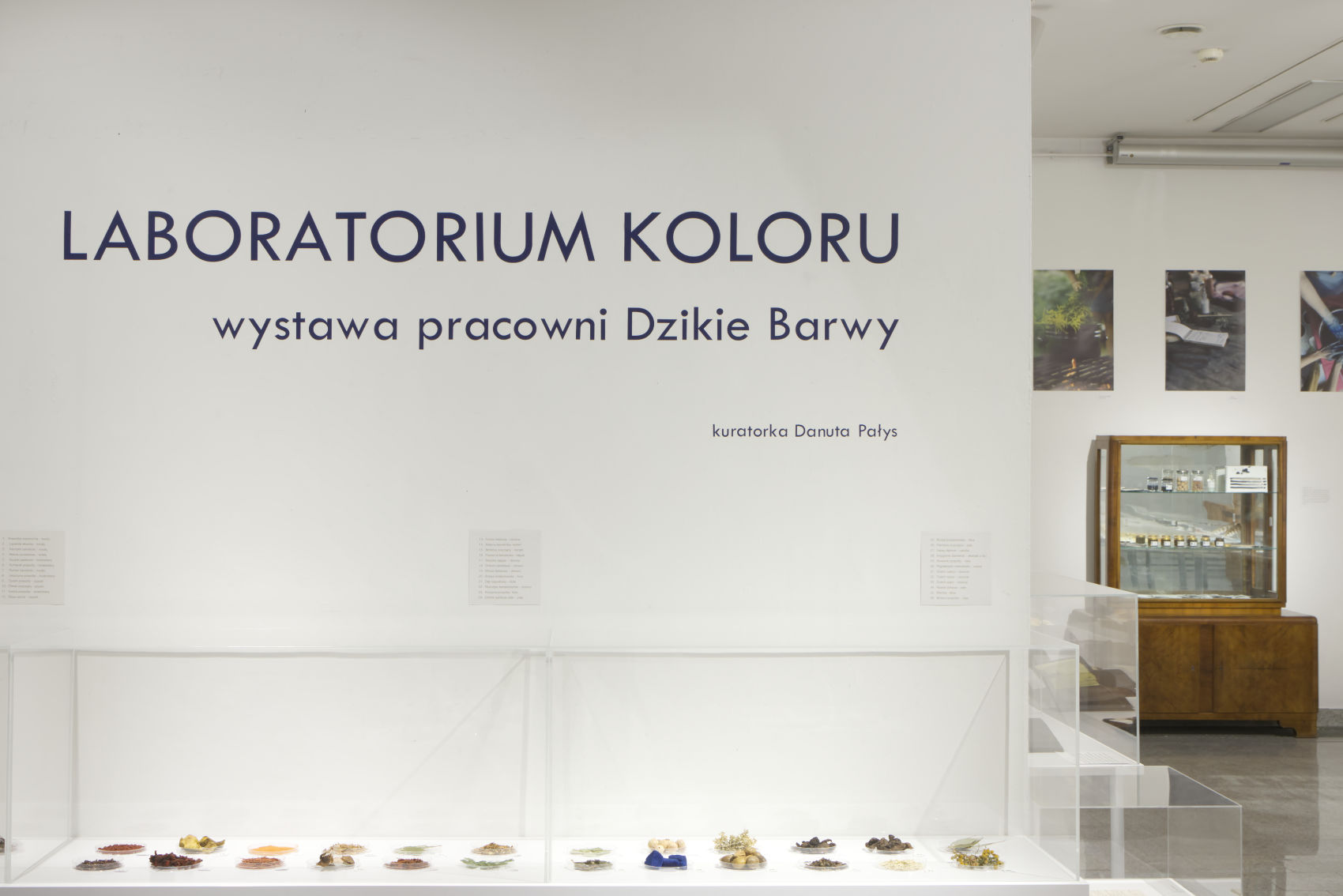

The DZIKIE BARWY studio was established in 2014 in Łódź. Initially, it was a space for developing a personal passion for plants in art. Over time, it turned out that natural dyeing, plant pigments and dyes attract a large number of people, and it is worth addressing the topic more broadly, not just in one’s own field. Today, DZIKIE BARWY is a team of several people and a recognisable, independent artistic and educational institution combining art, nature and craftsmanship. In order to be even closer to plants and to be able to draw inspiration from nature on a daily basis, we moved our headquarters outside the city. DZIKIE BARWY is located in a small, uninhabited village surrounded by wild nature, 40 km from Łódź. The studio became the first in Poland to specialise in natural plant dyes and their use in the visual arts, design and education in the broadest sense.
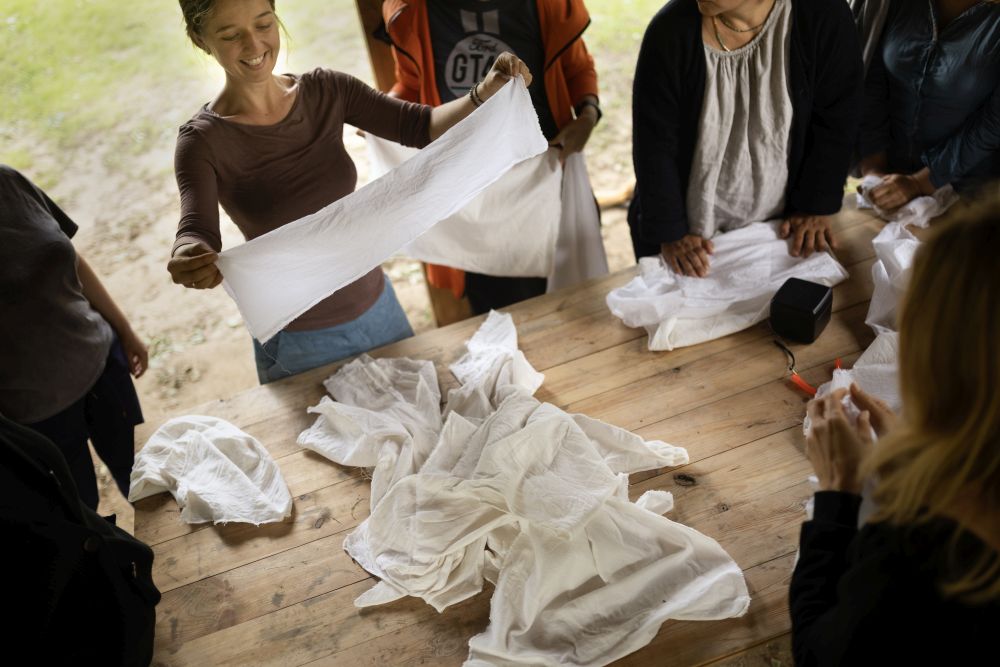
Our main mission is to spread knowledge about colour, dye plants, crafts and artistic practices that have their origins in nature. We support exploring and discovering of natural colours, harmony and beauty. The studio’s activities include research and experiments with plant dyes, discovering old recipes of master dyers and painters, and adapting them to the capabilities and resources of modern people, both laymen and professionals. At the same time, we impart knowledge and experience in a multifaceted way, both directly in classes and workshops, and indirectly in artistic and social projects. We publish articles, manuals and materials supporting the independent craft activities of our readers and listeners. We consult on artistic, design, educational and scientific research projects.[…]
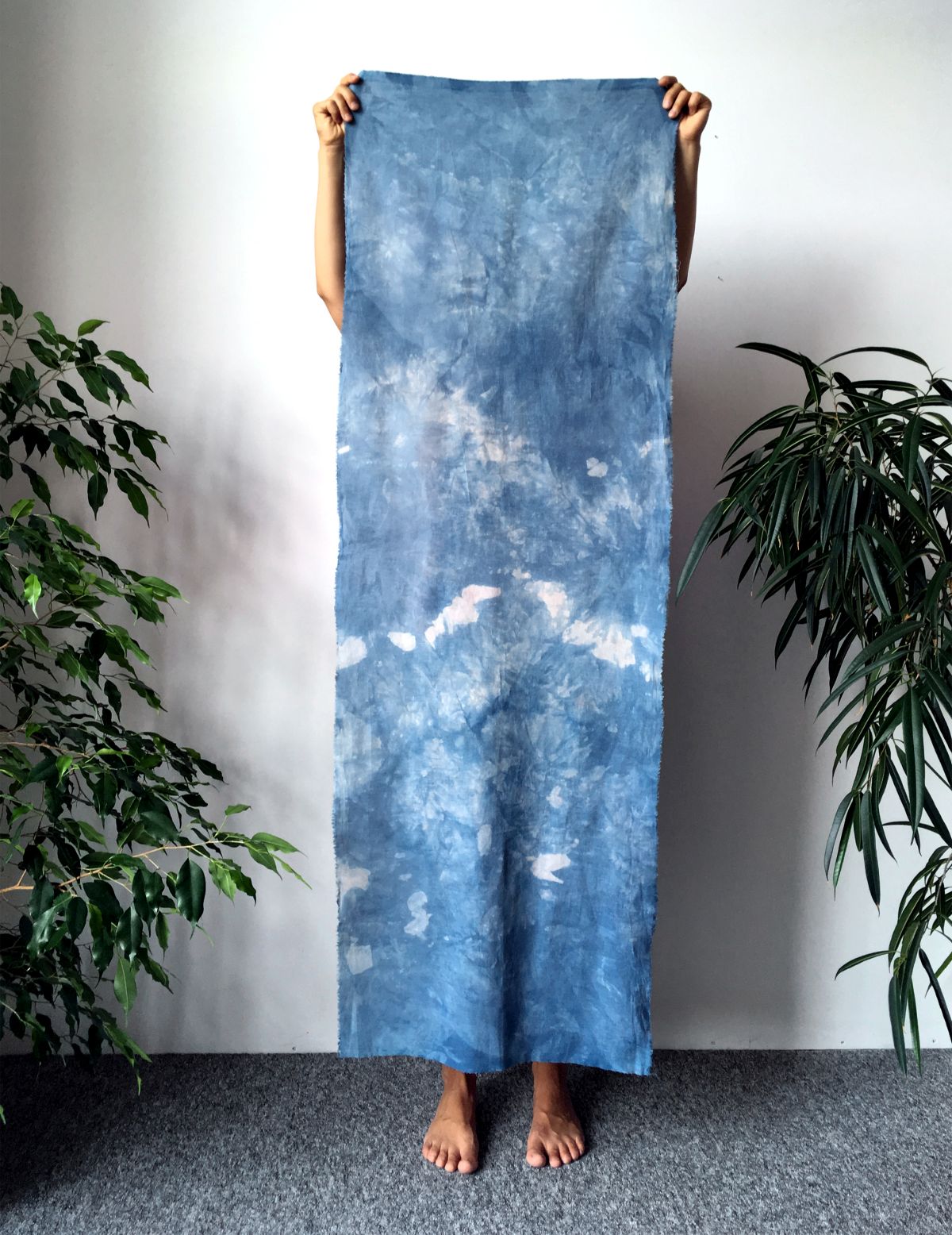
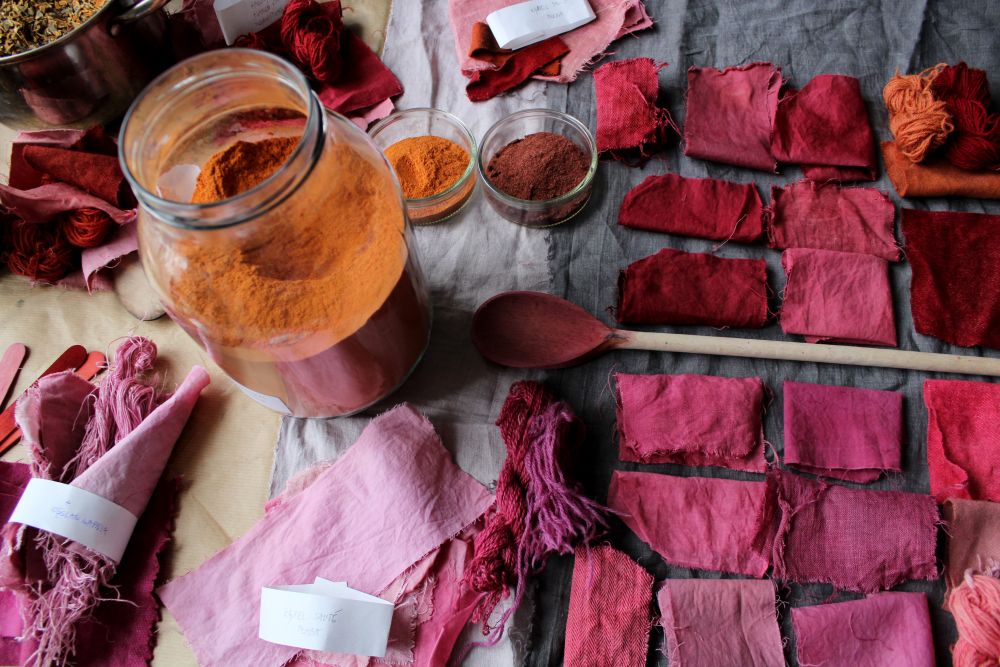
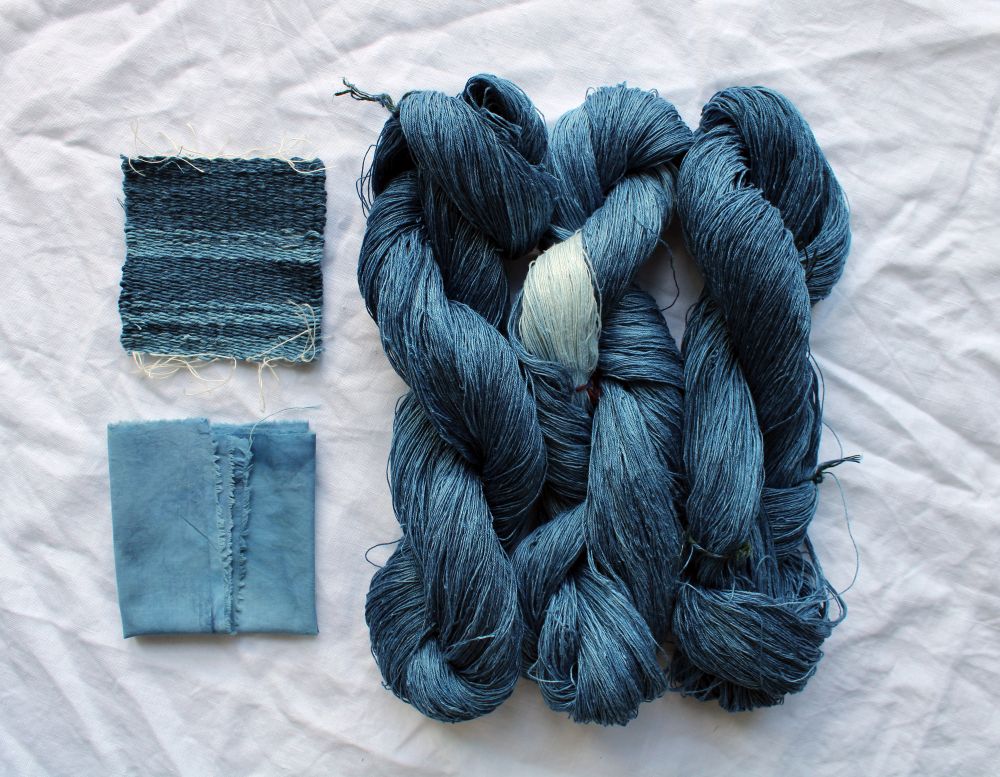
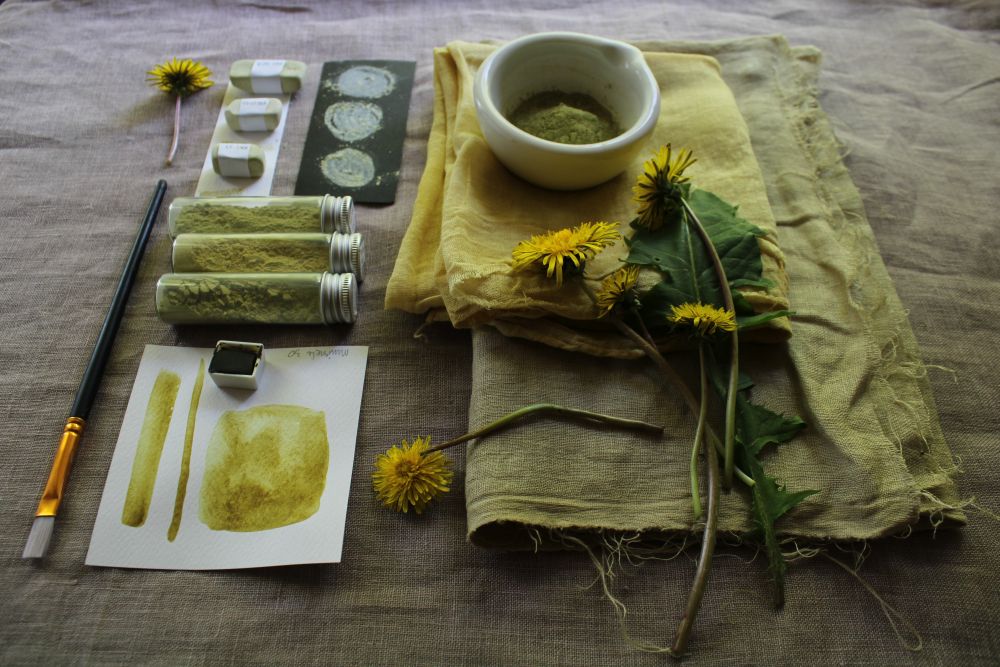
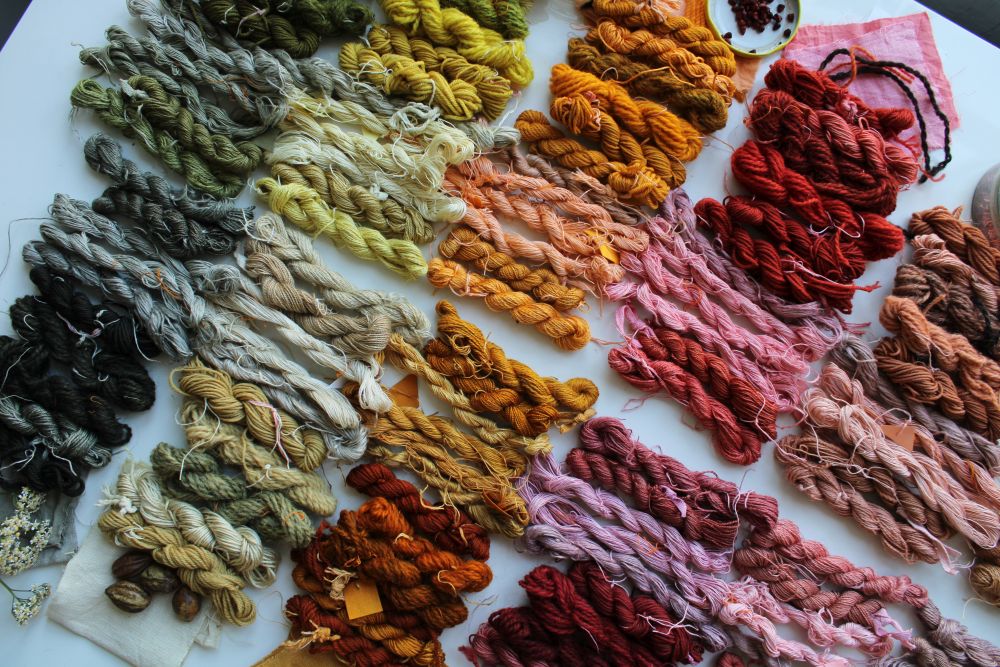
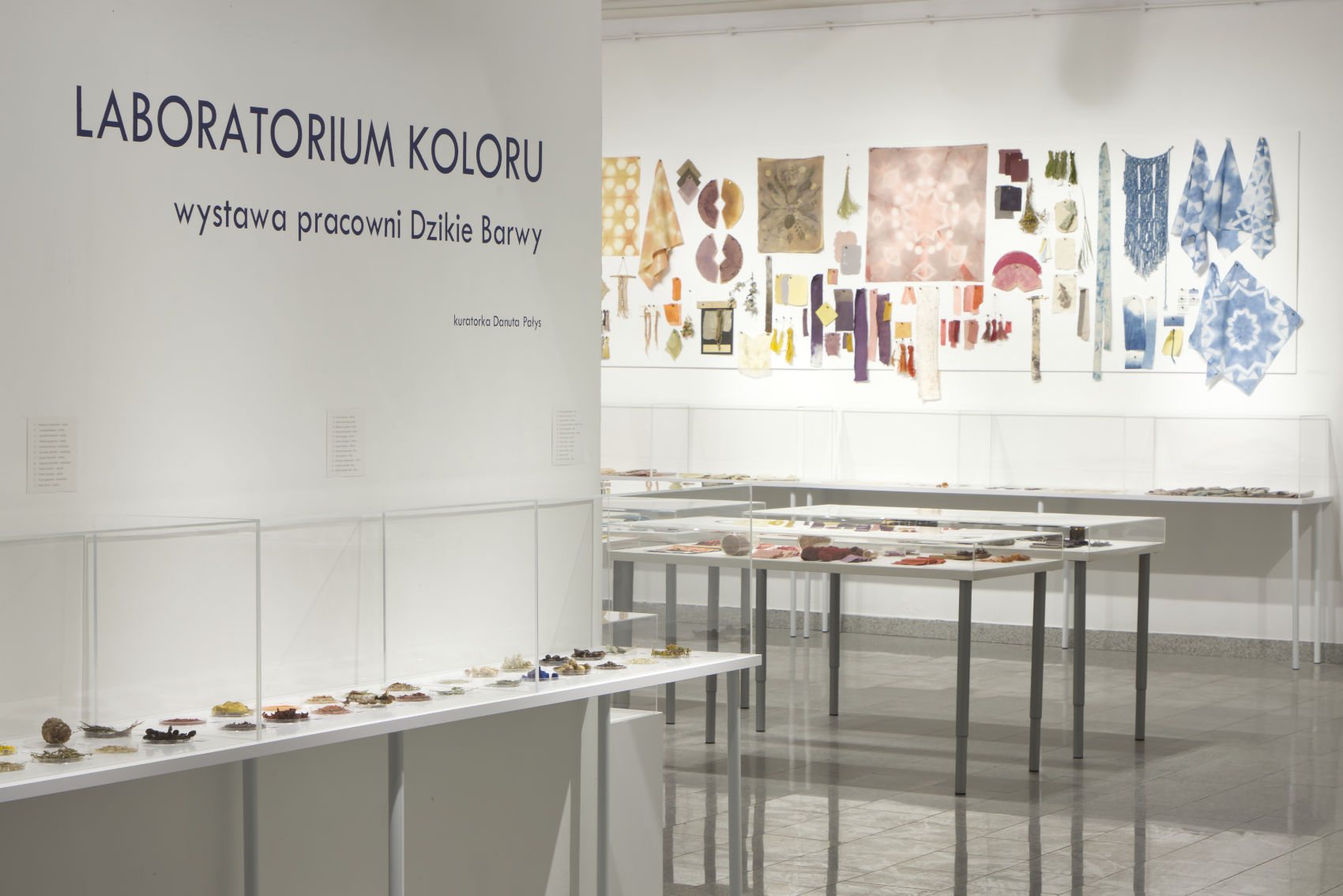
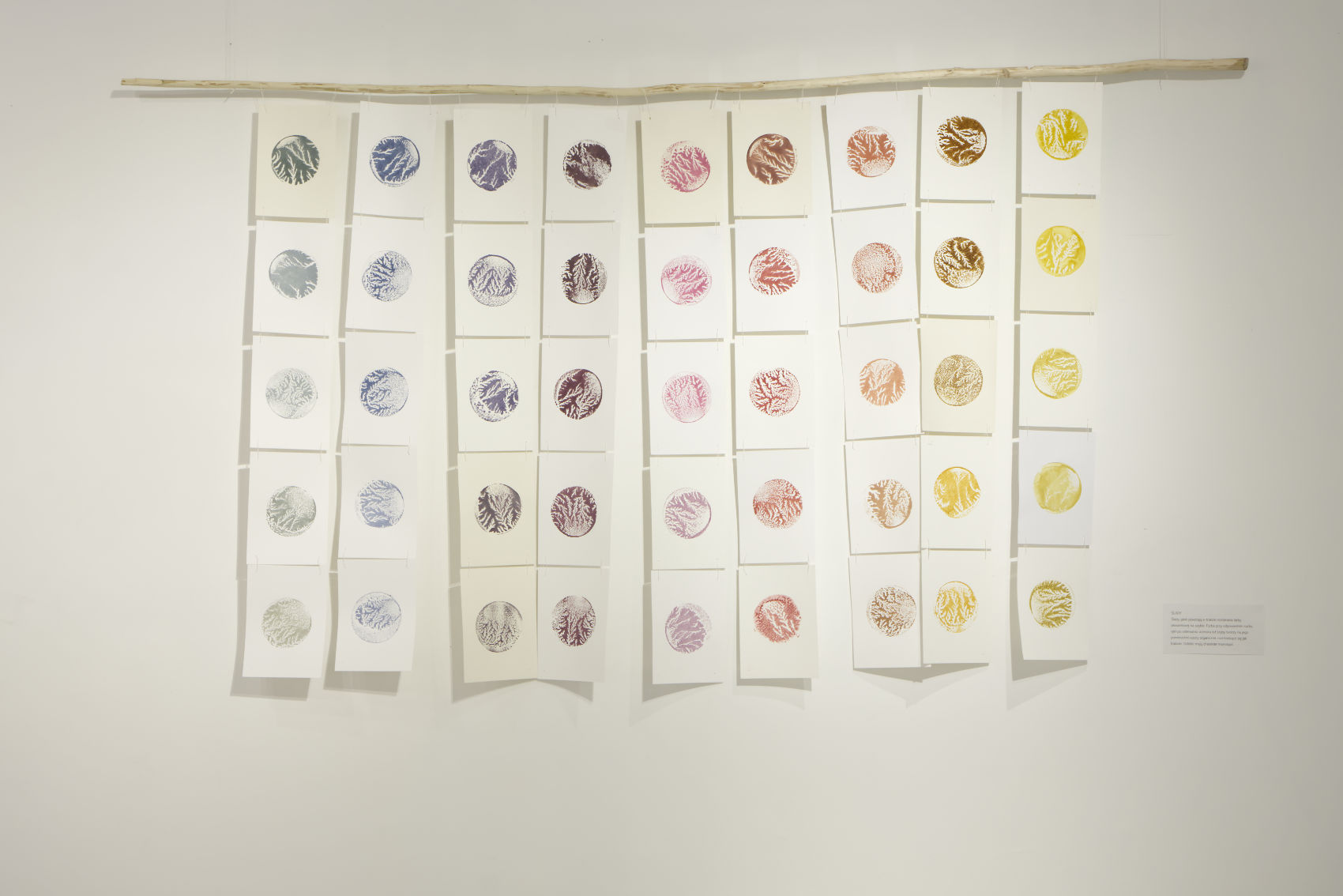
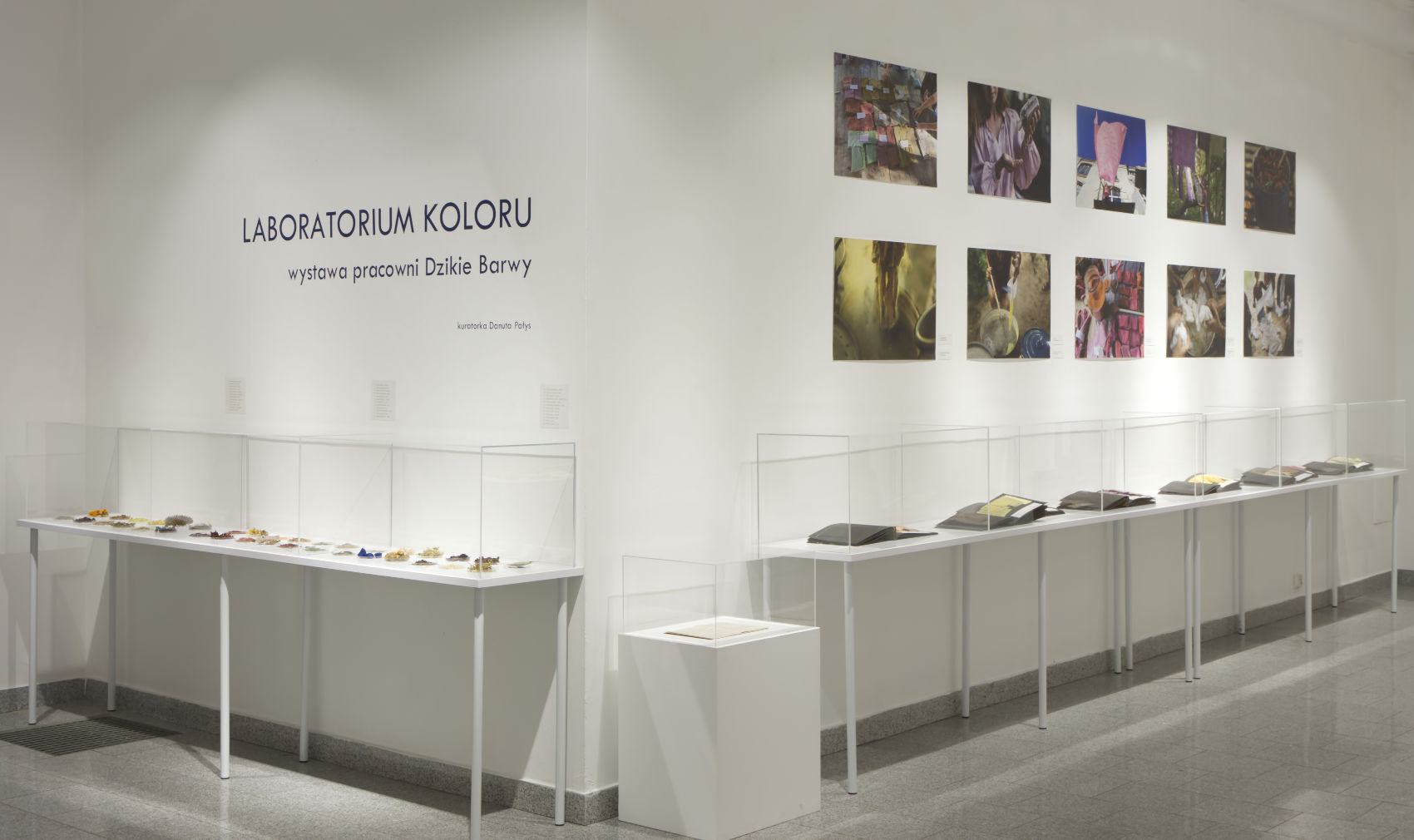
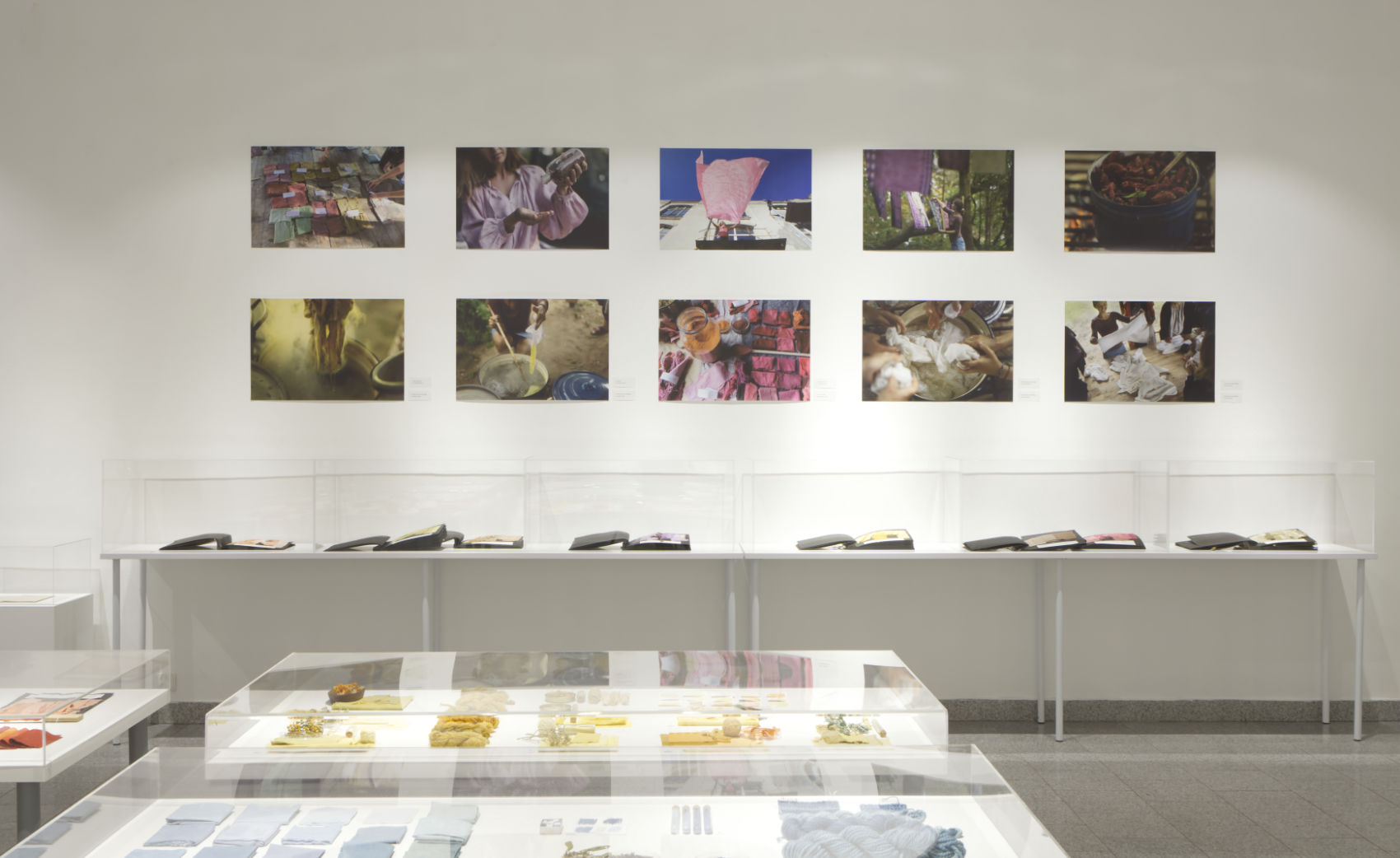
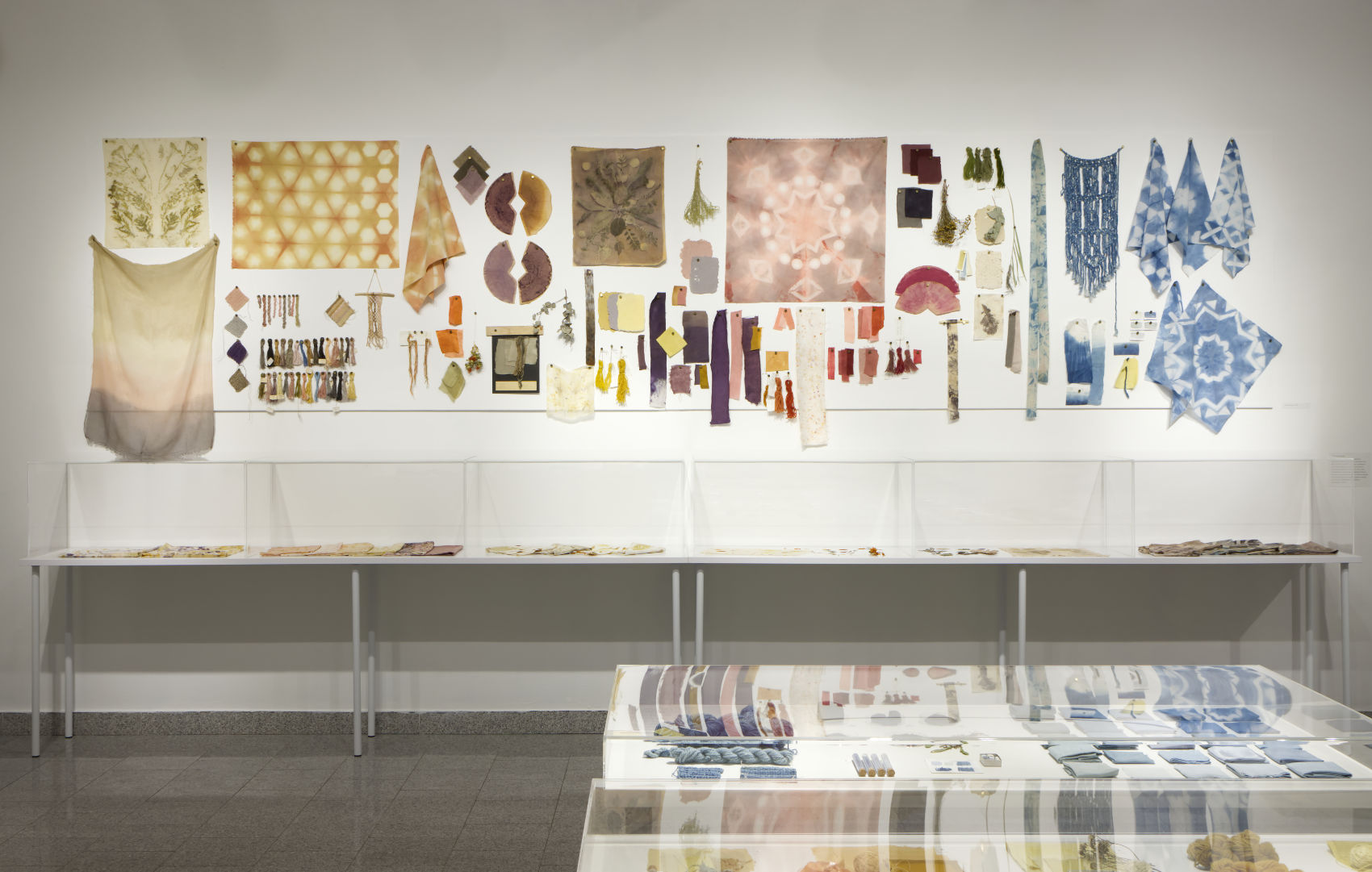
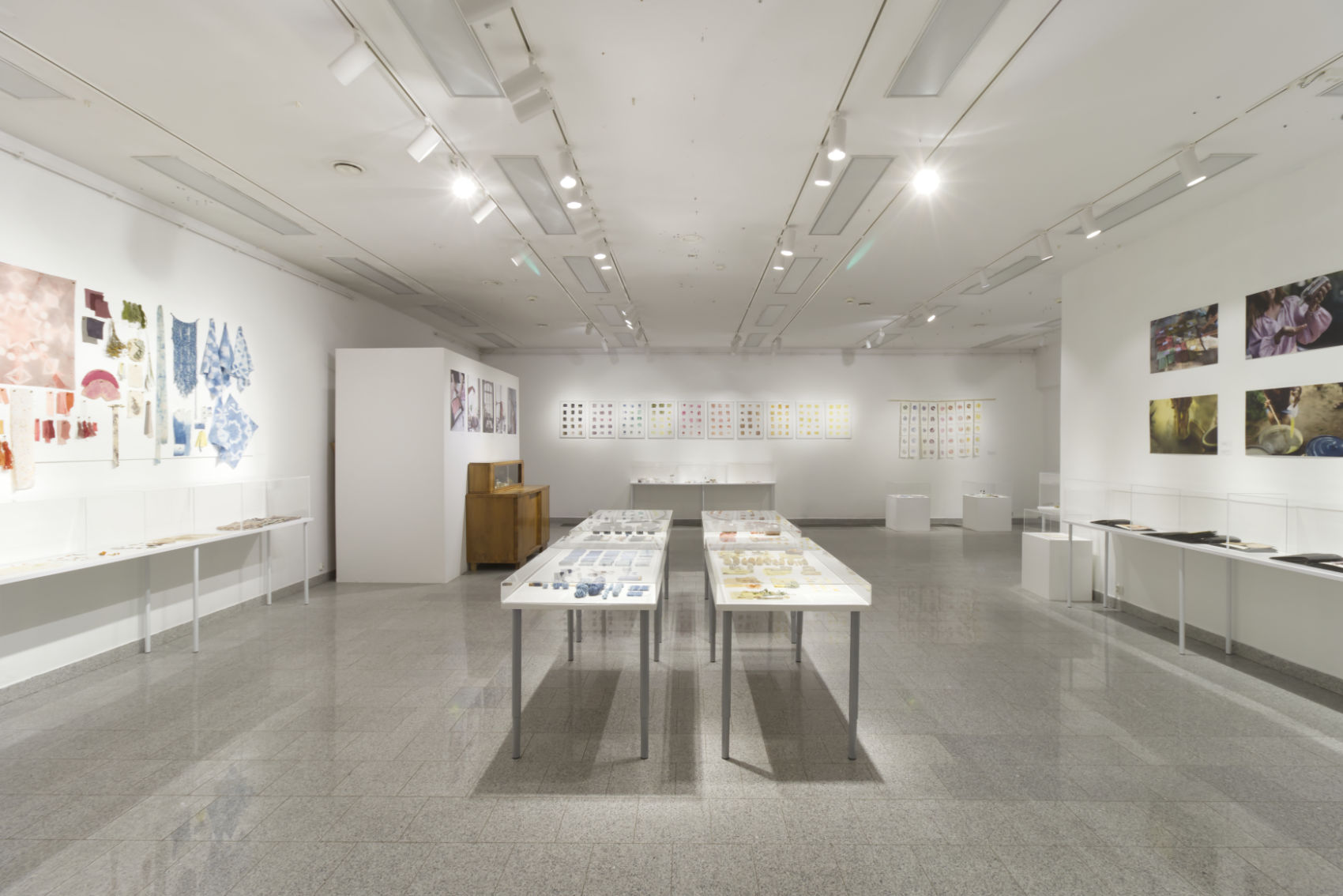
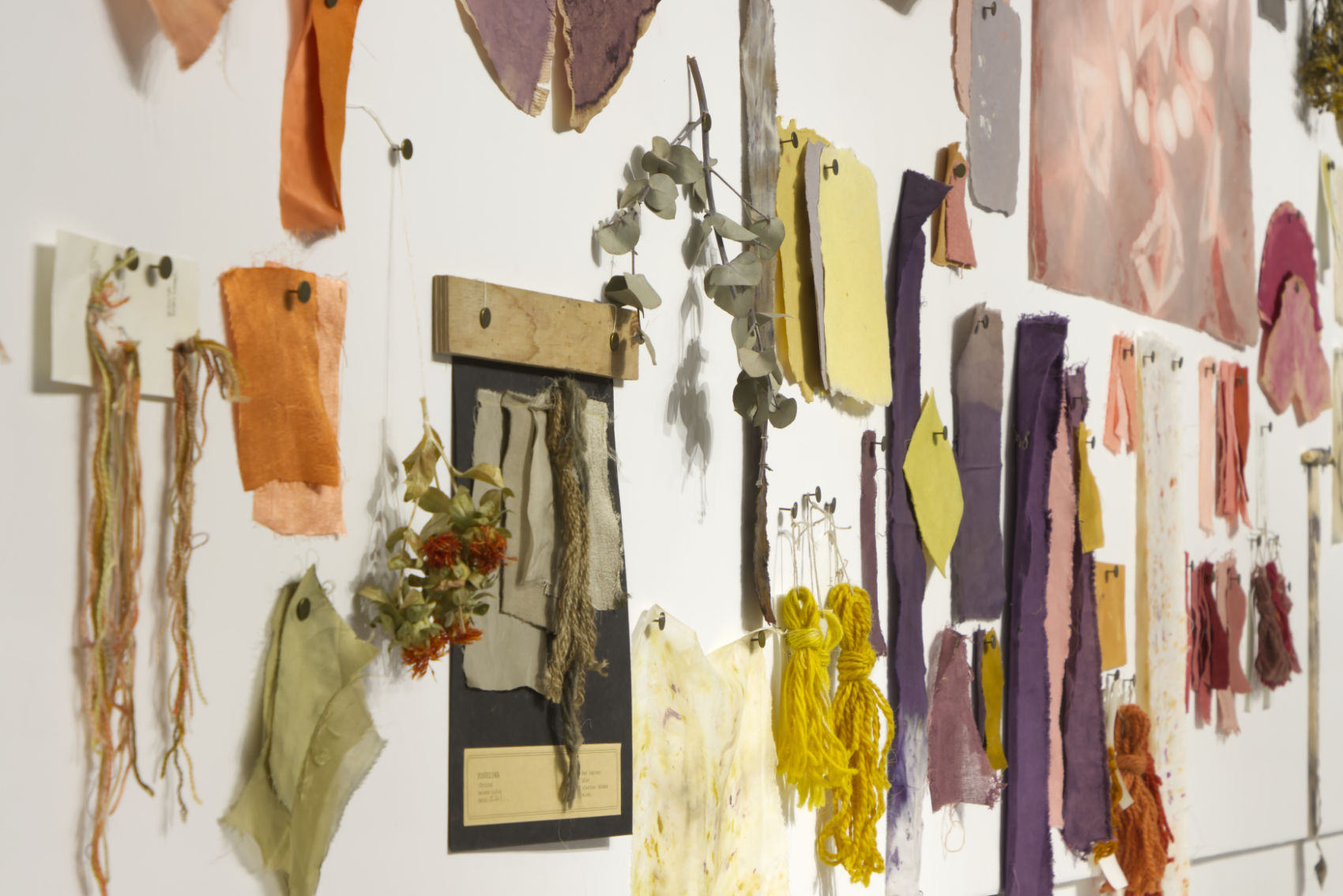
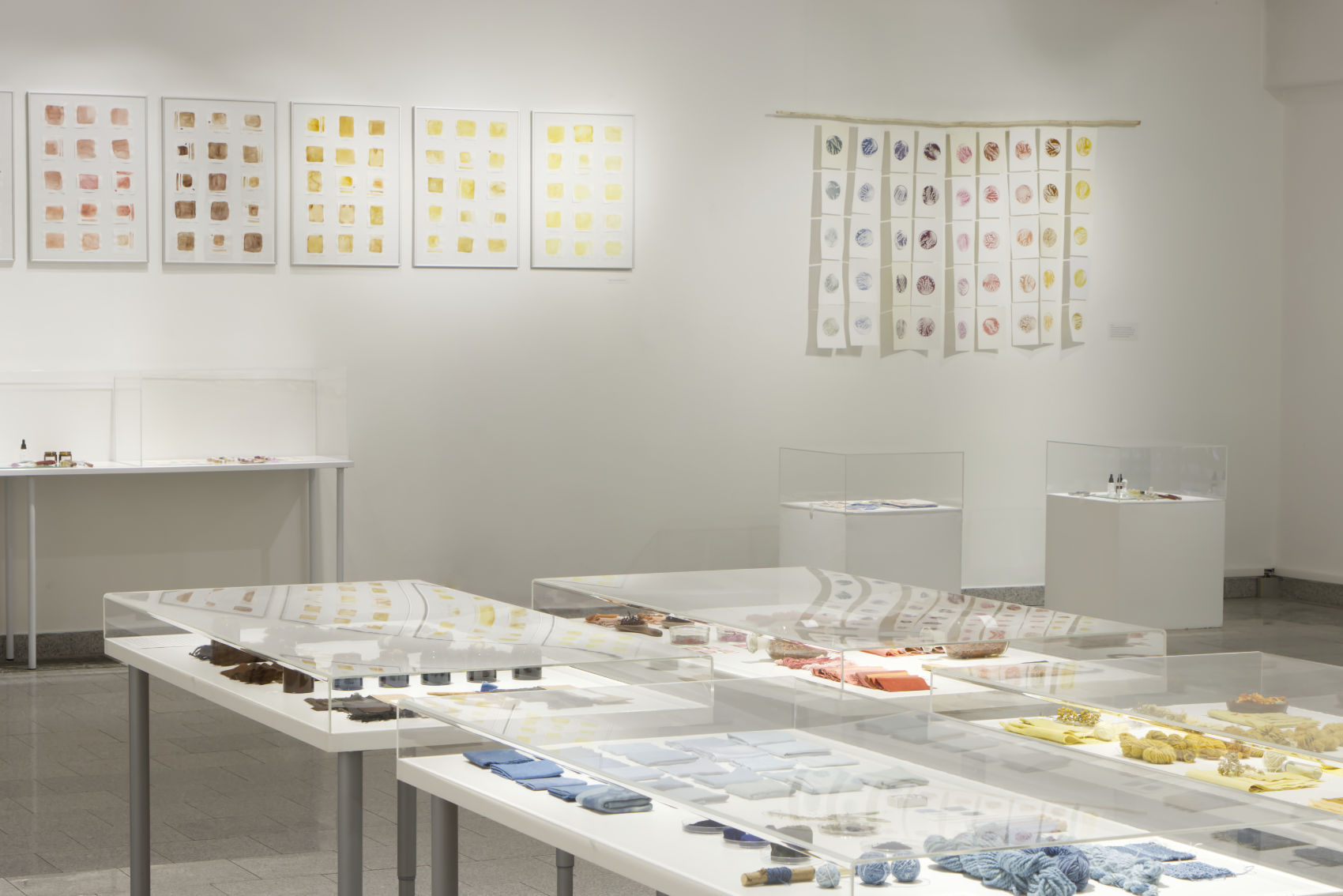
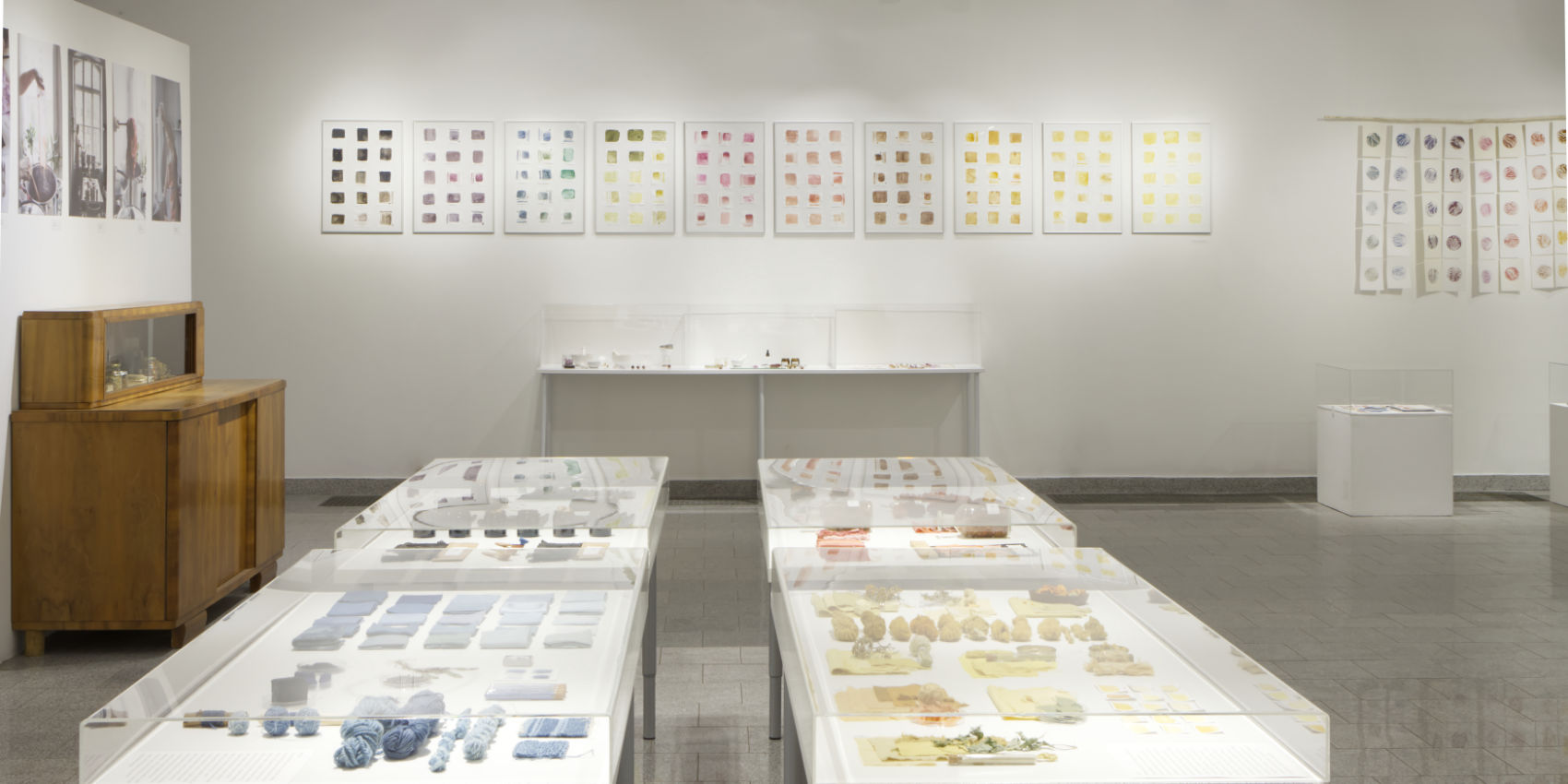
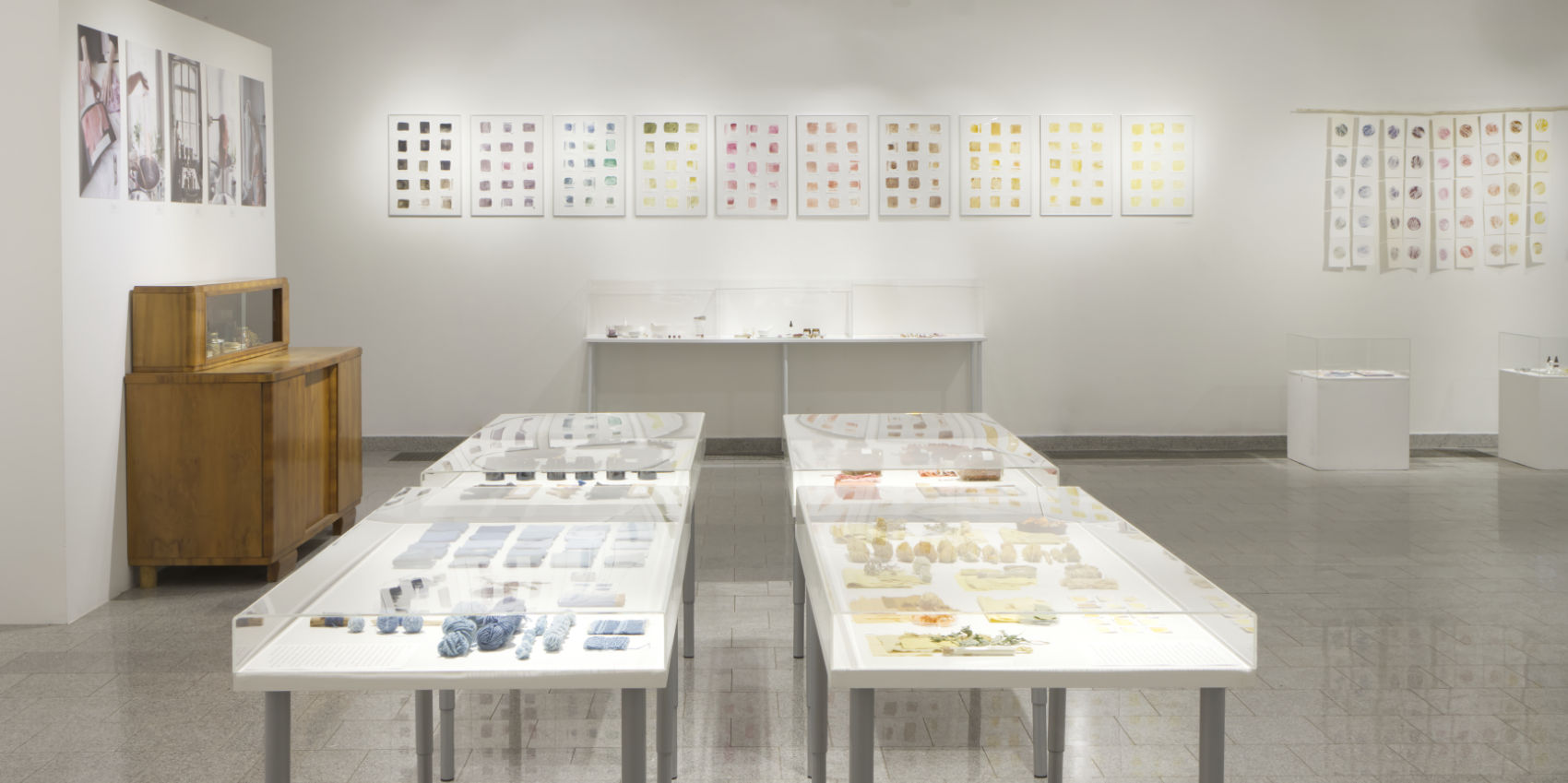
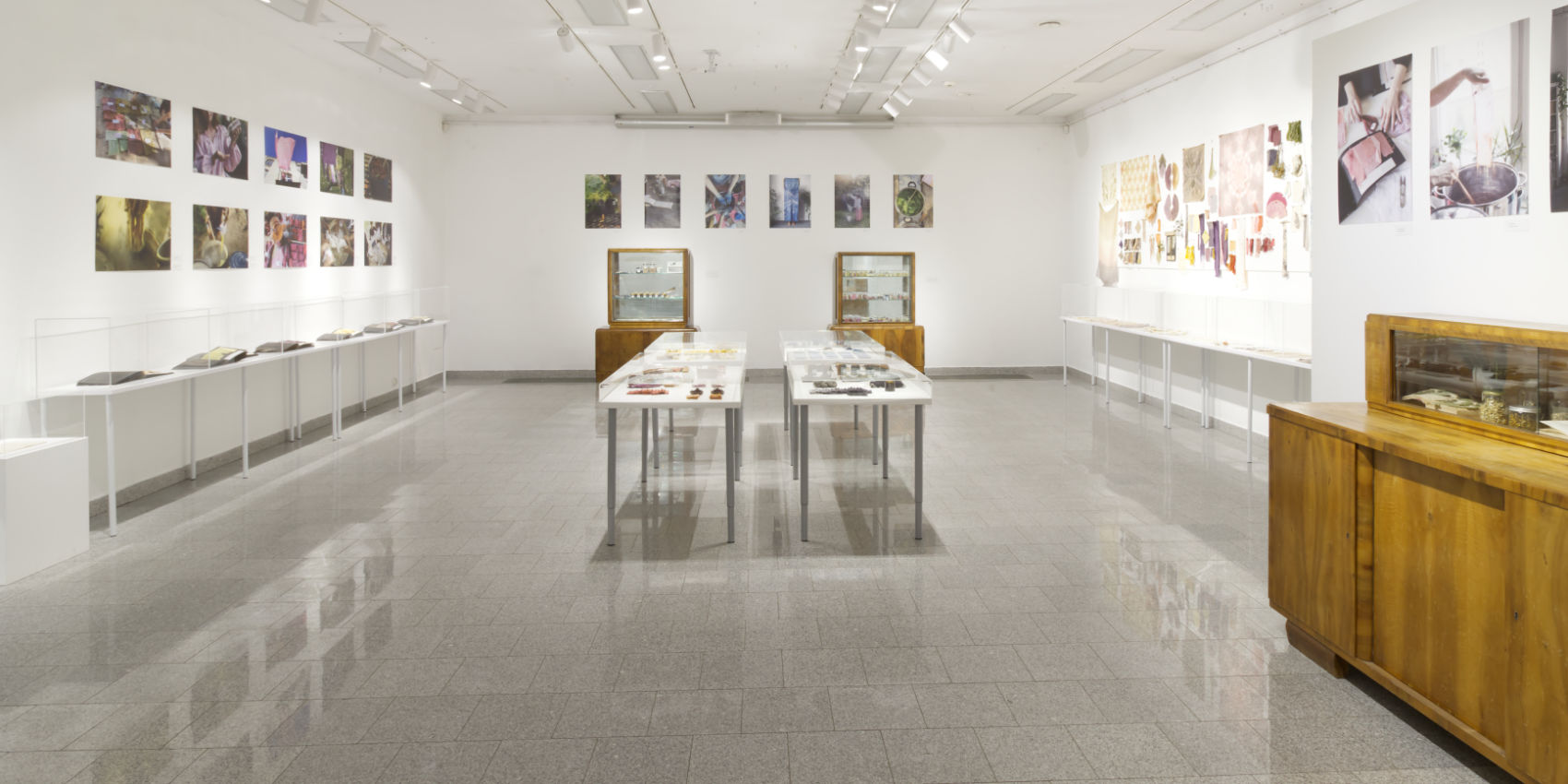
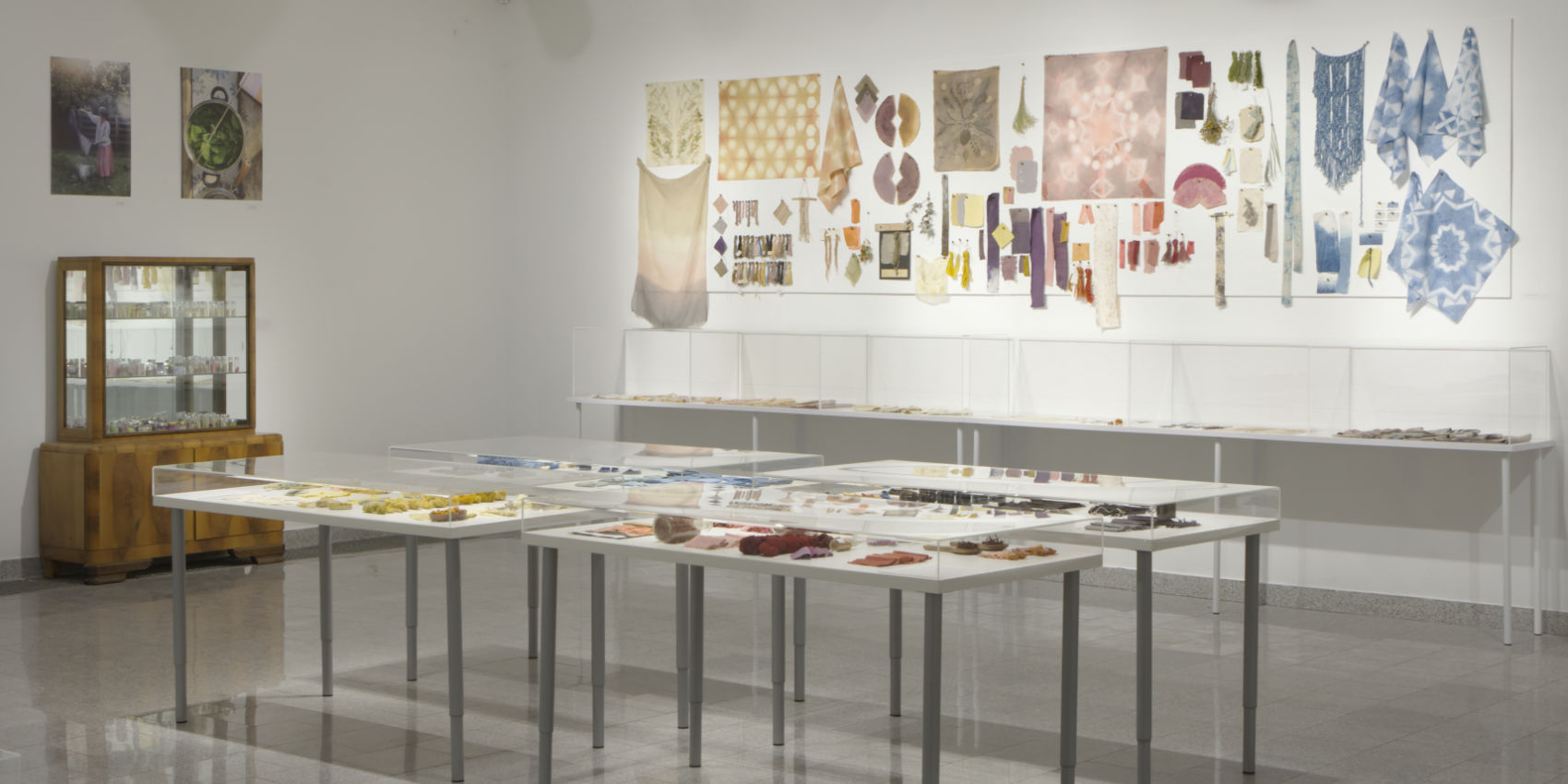
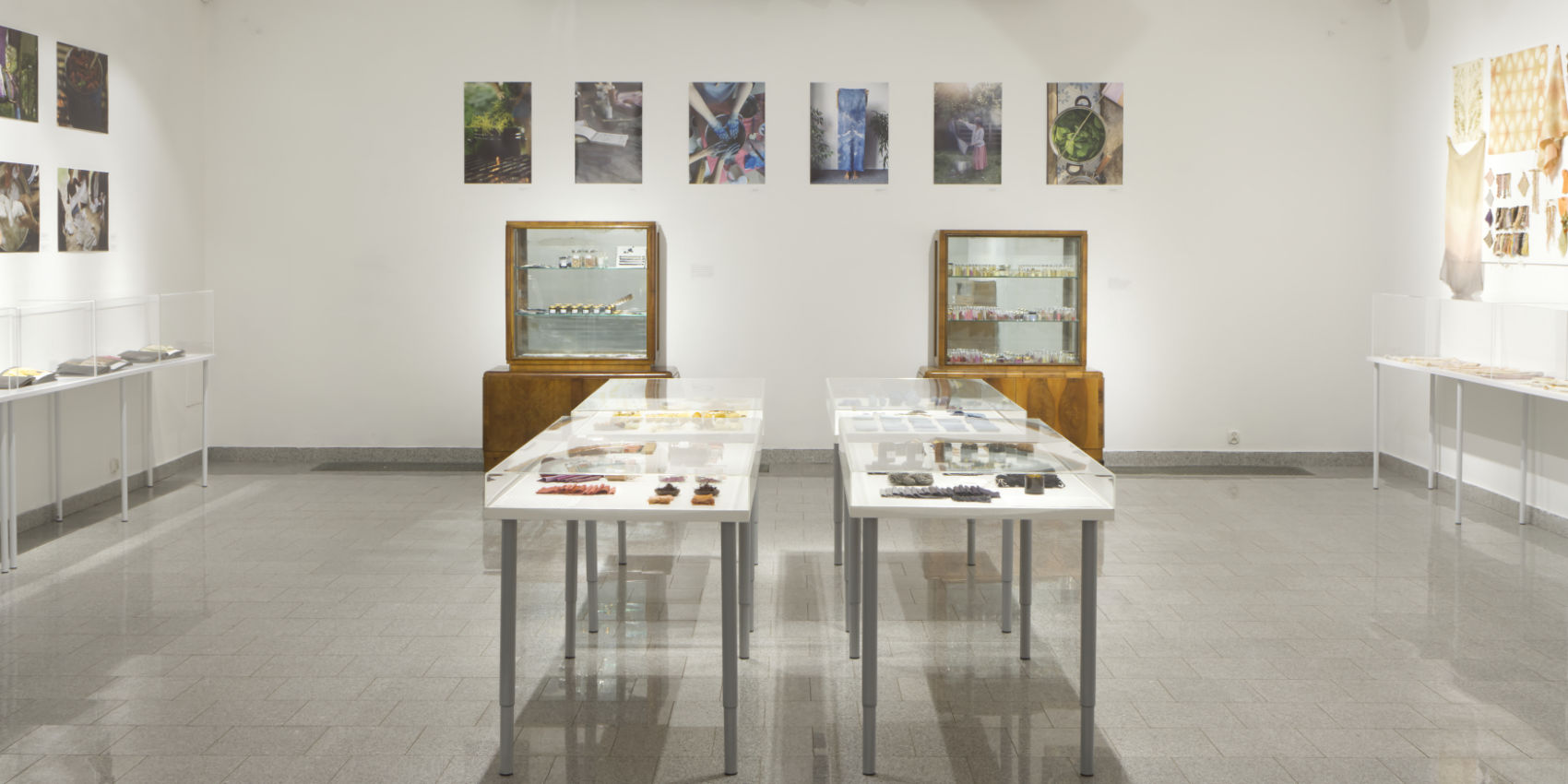
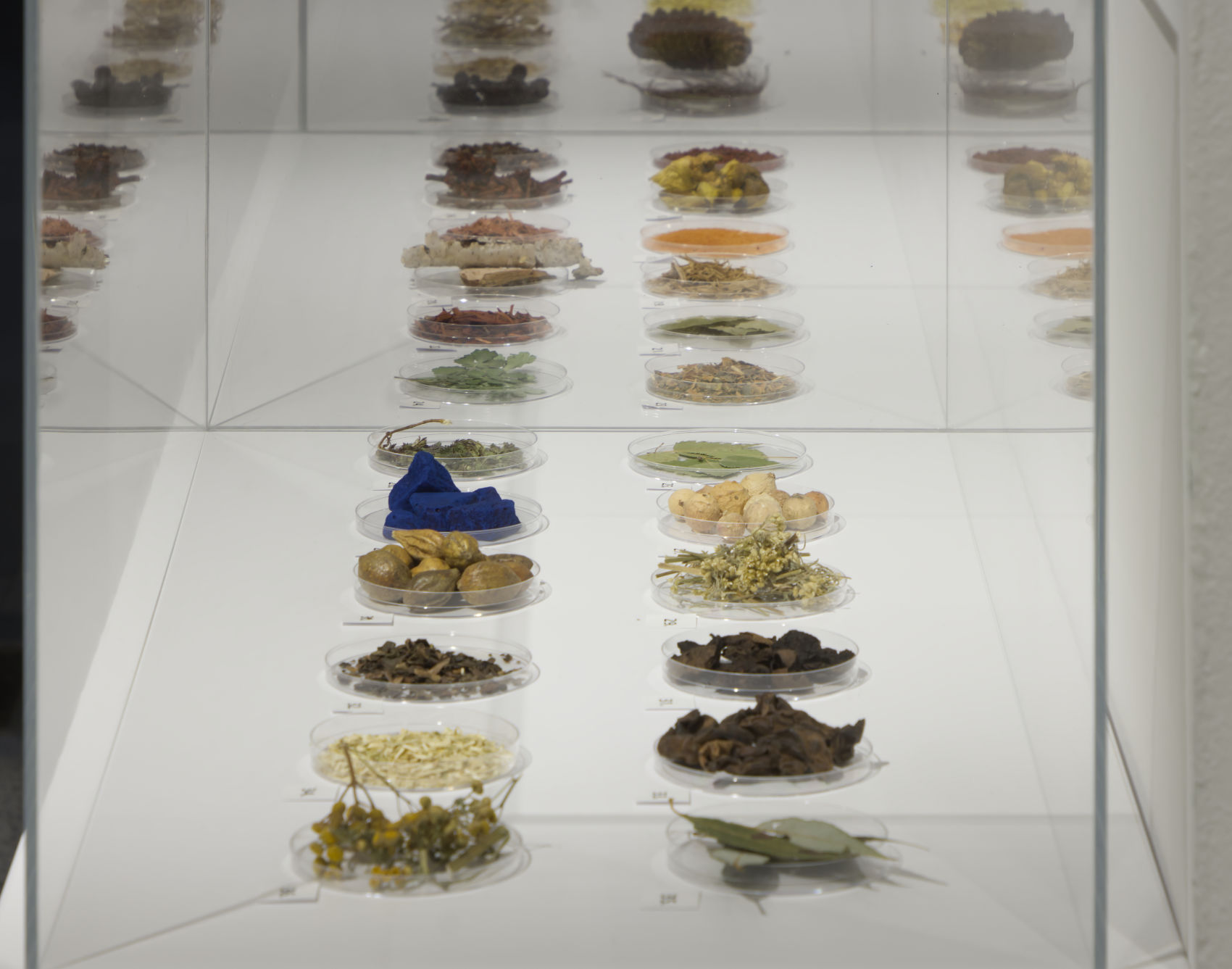
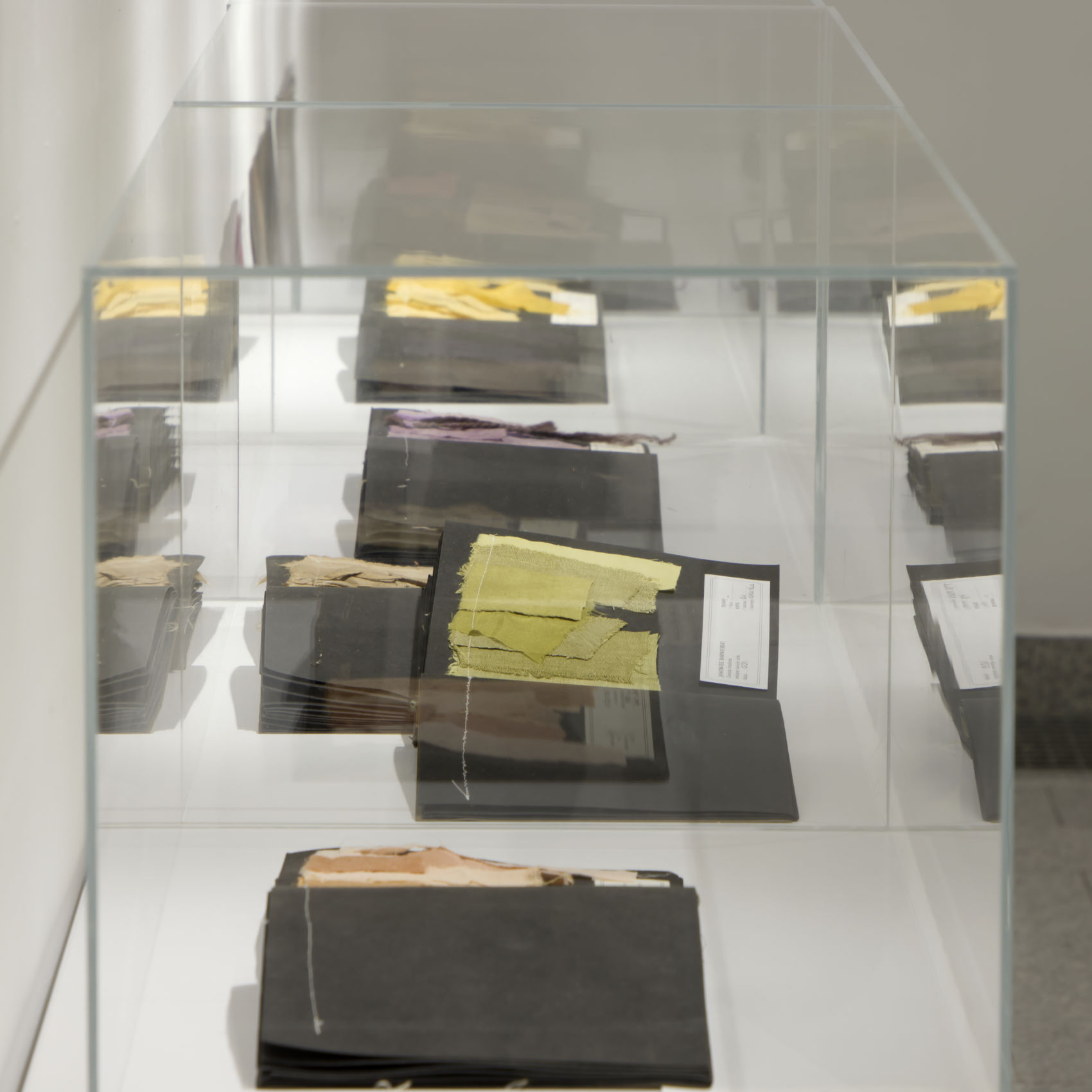
Colour is the most prominent feature of the studio’s visual work, and it is to colour that the COLOUR LABORATORY exhibition is dedicated. It shows colour at various stages of extraction, discovery and creation. […]
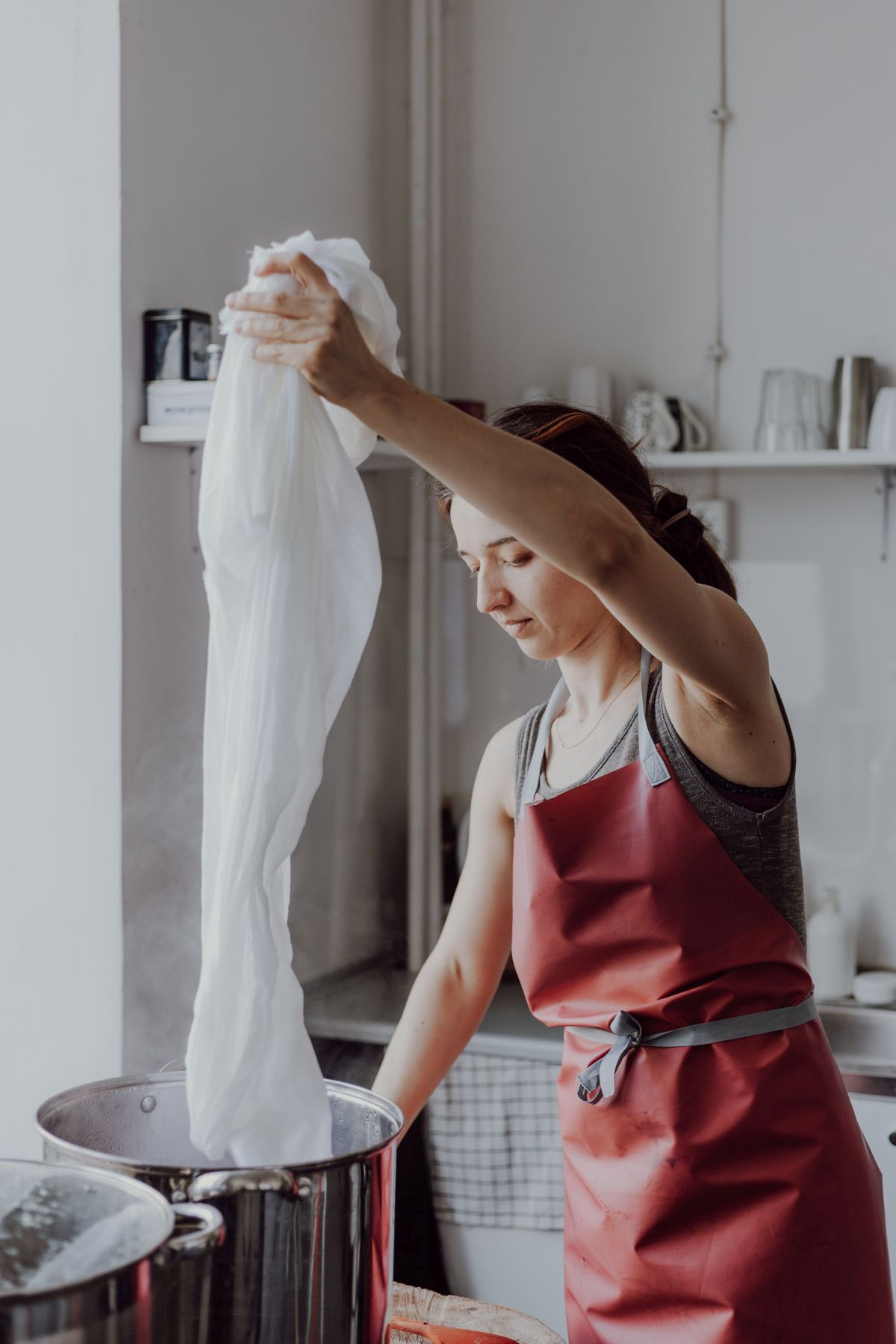
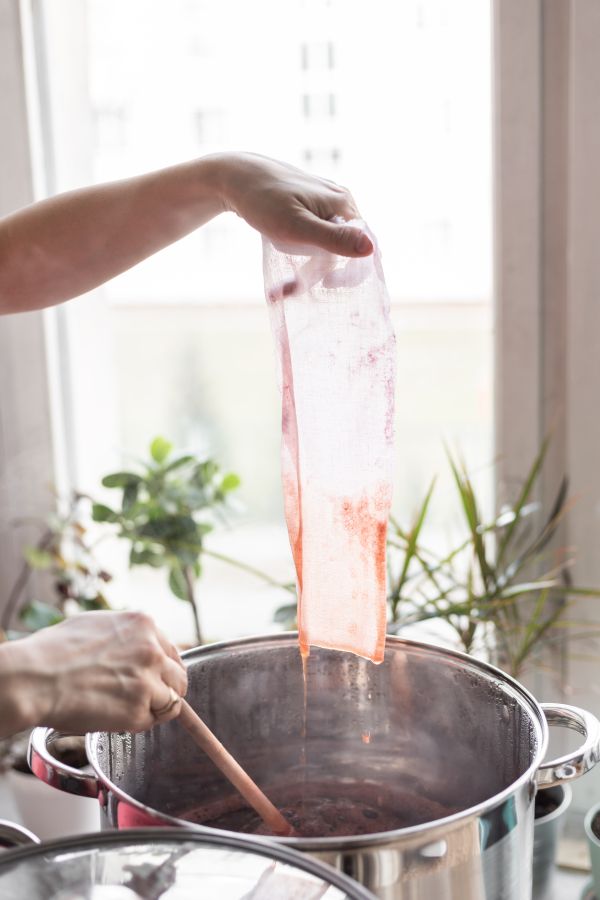
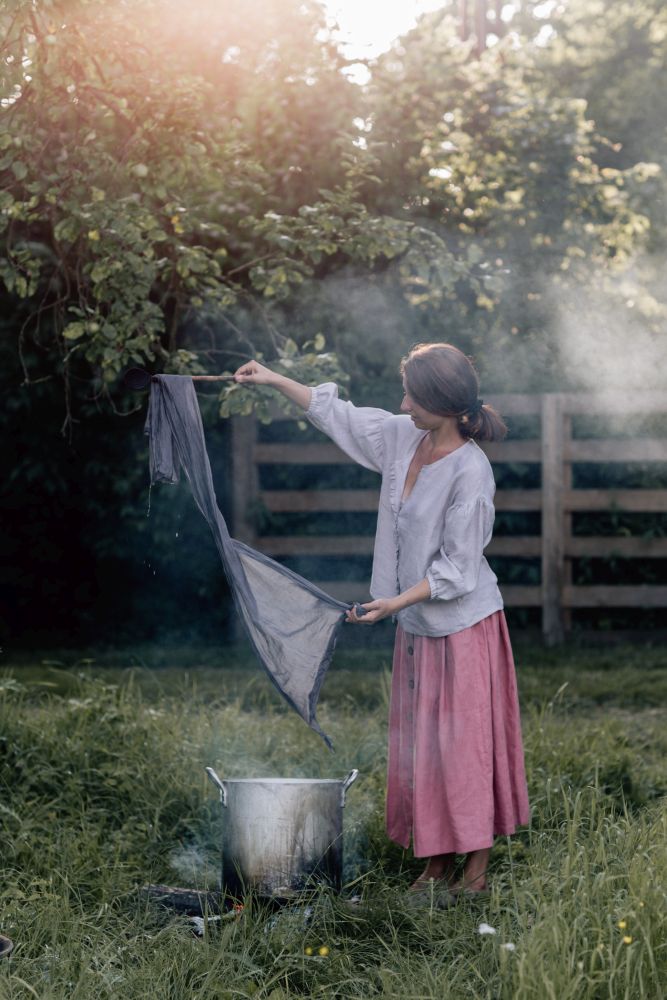
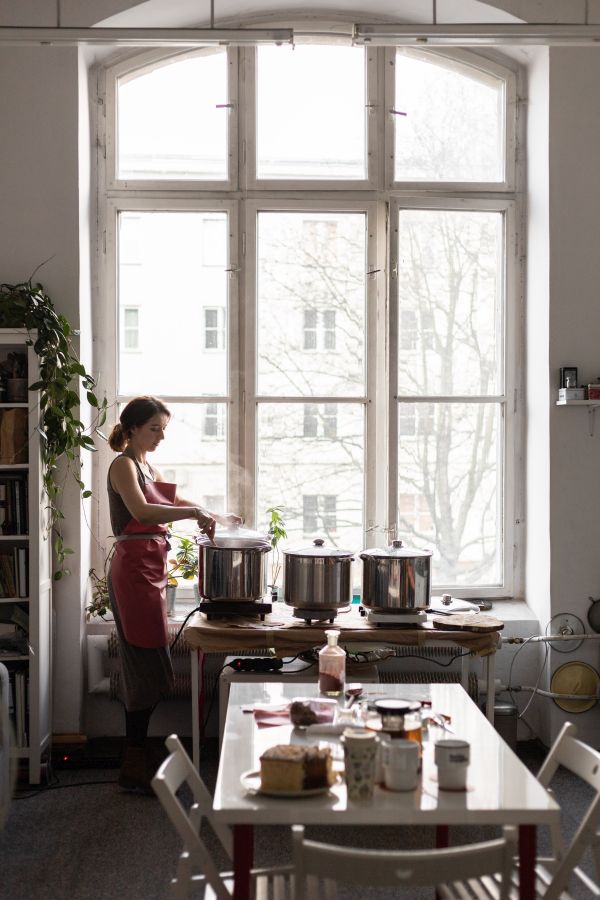
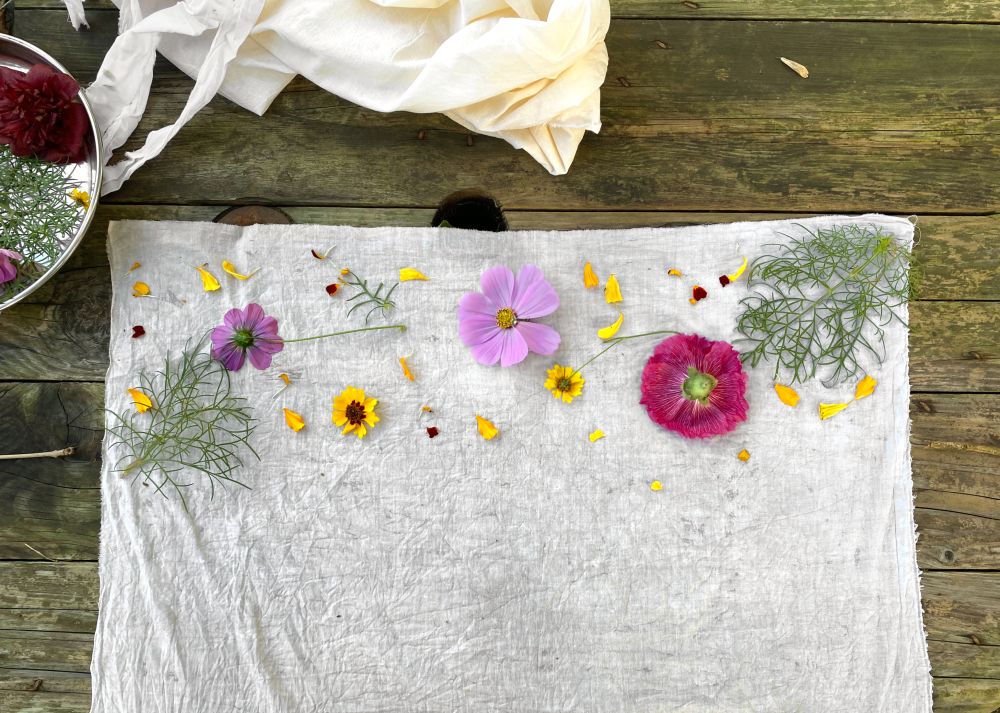
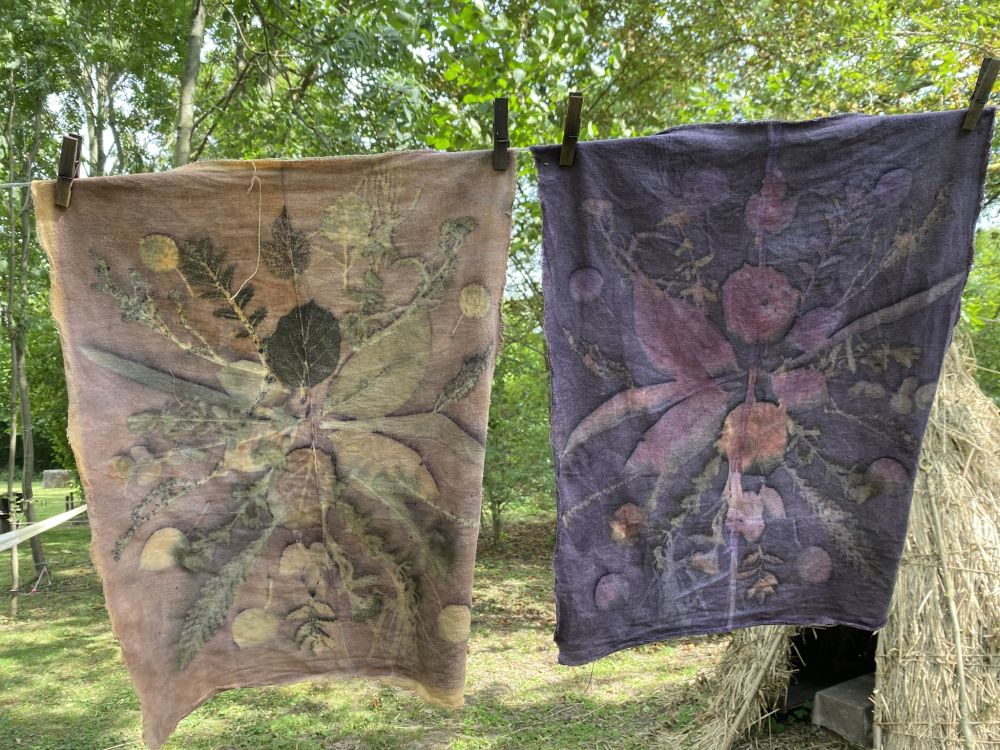
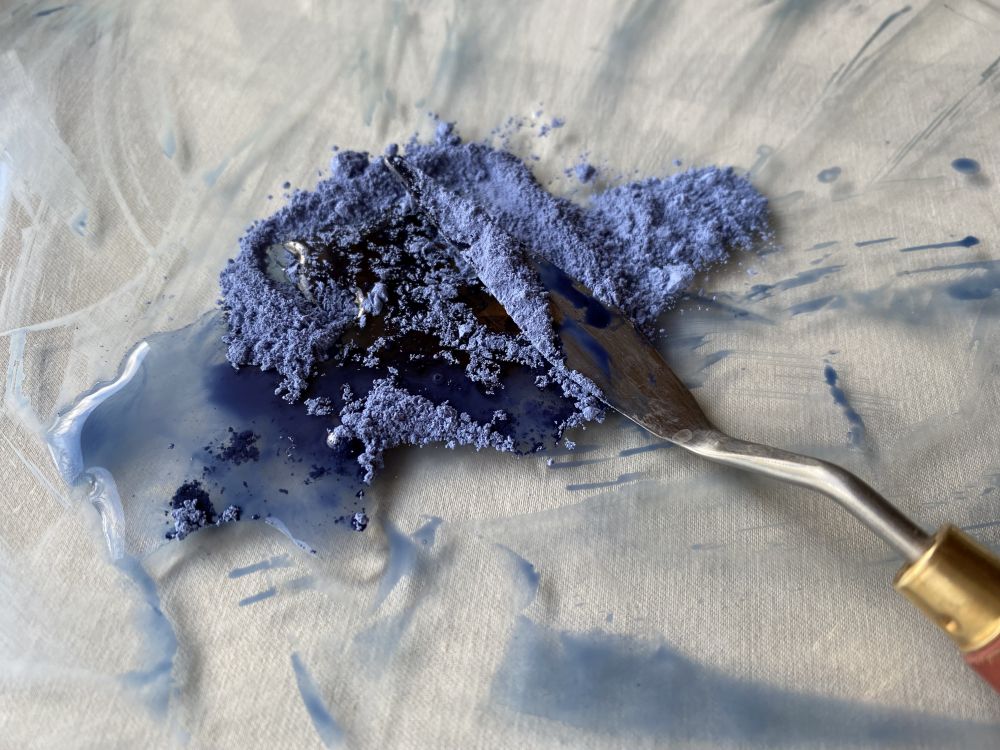
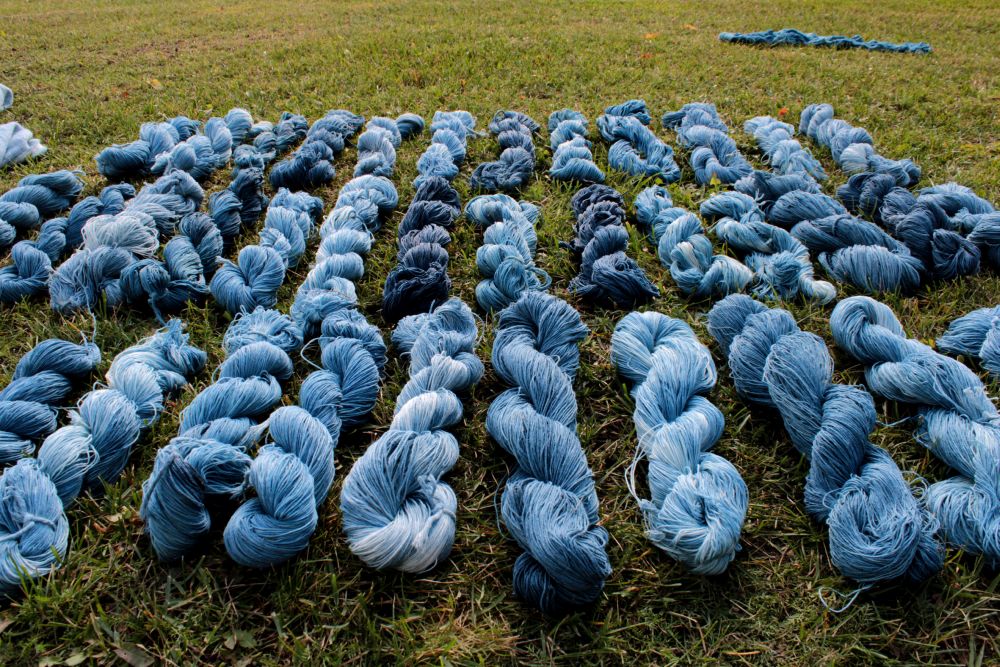
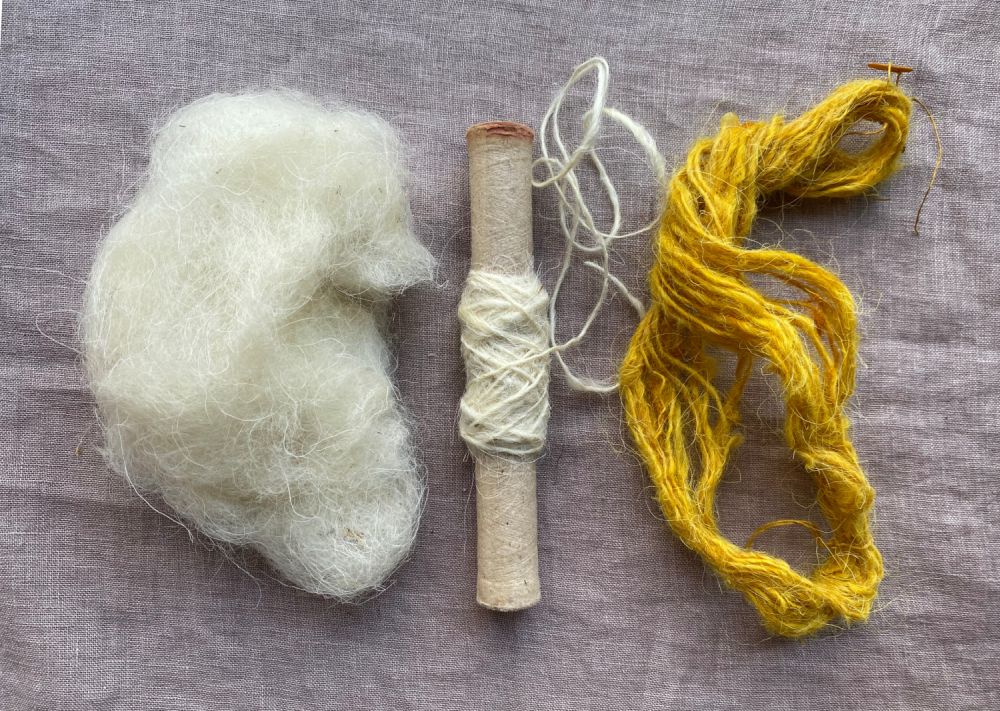
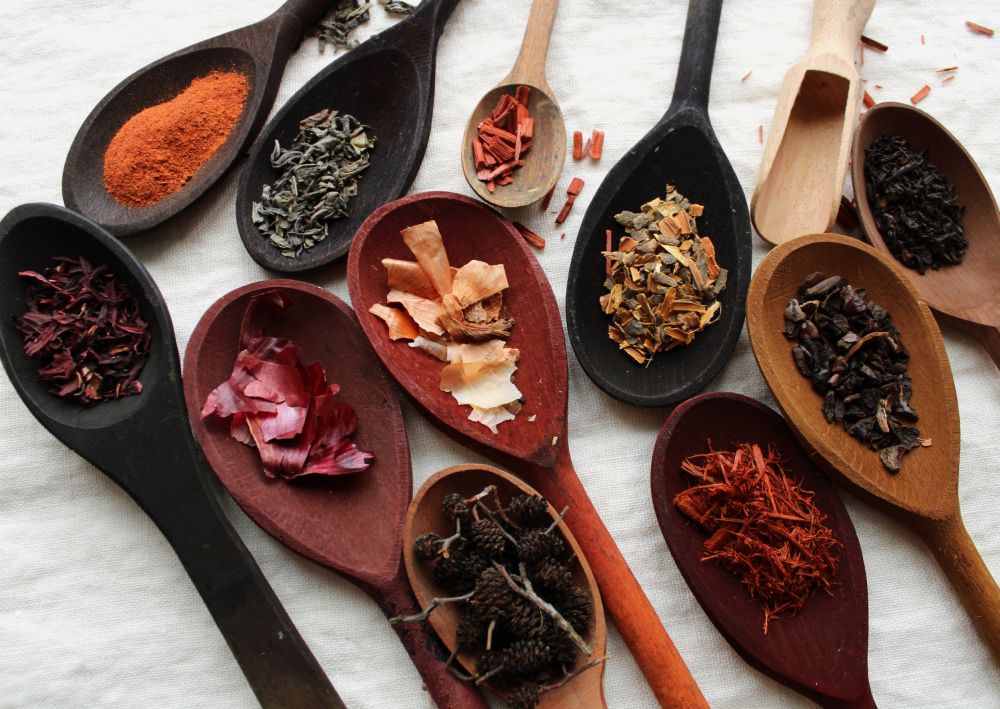
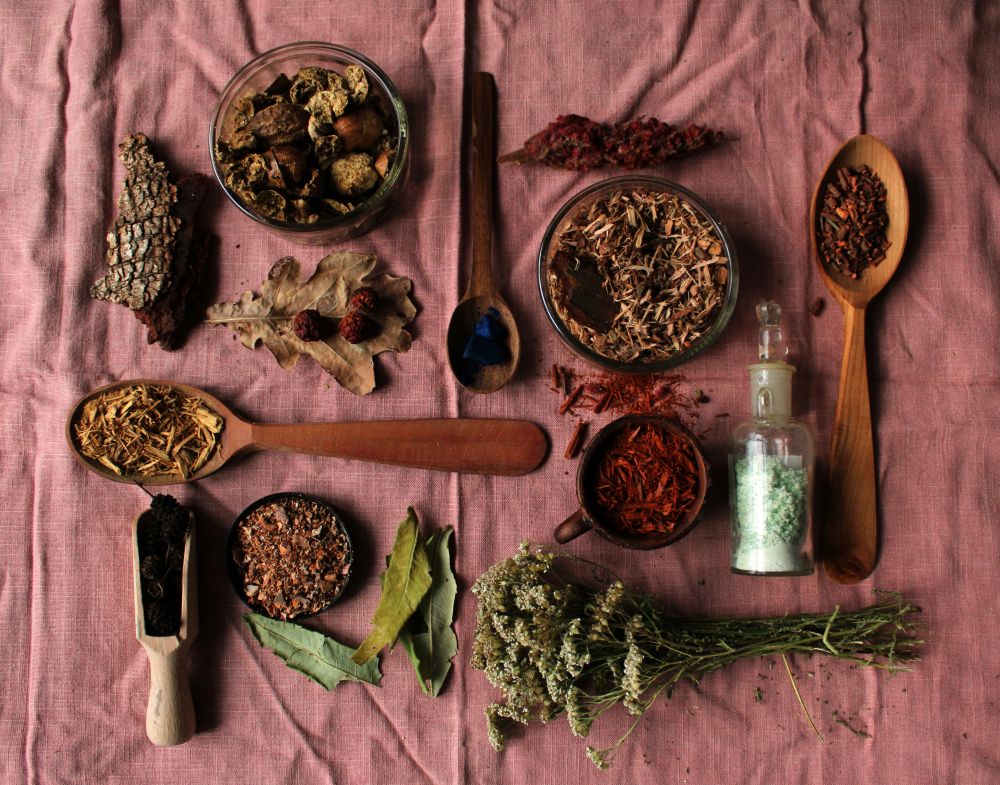
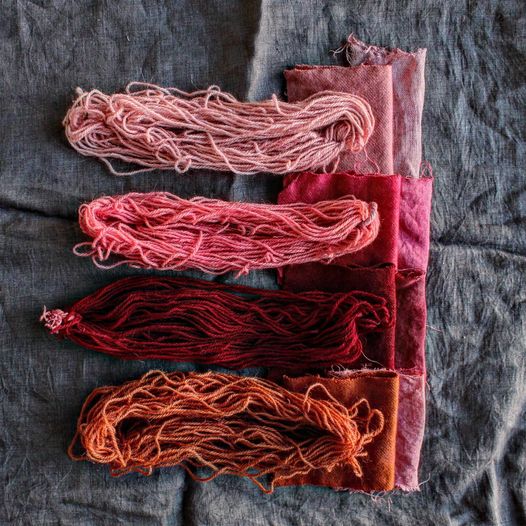
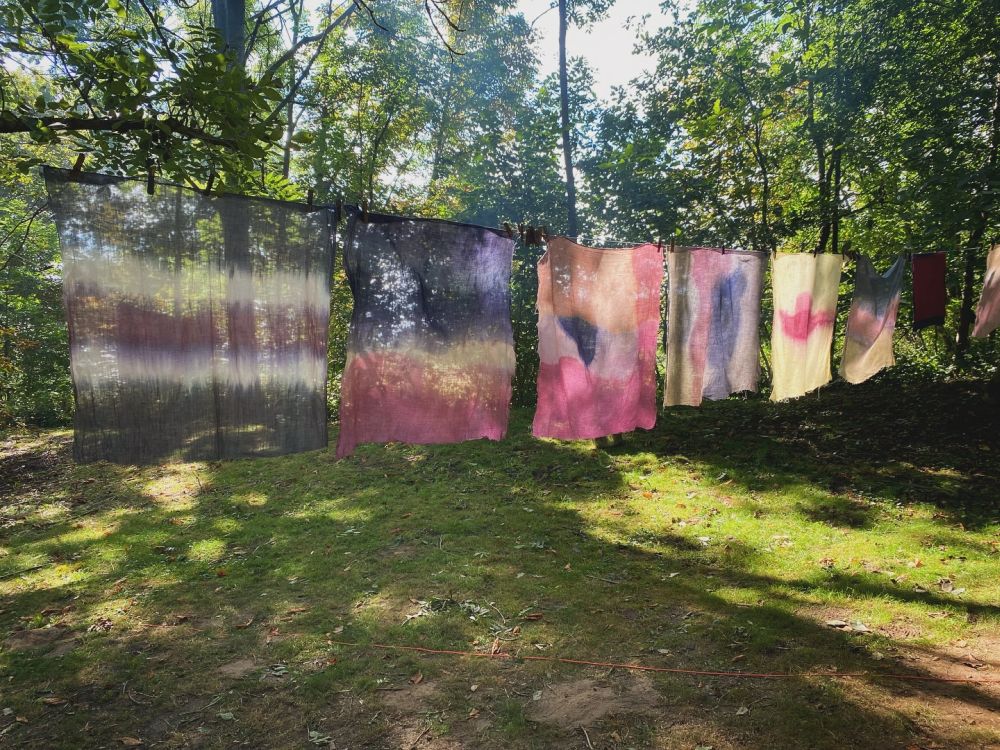
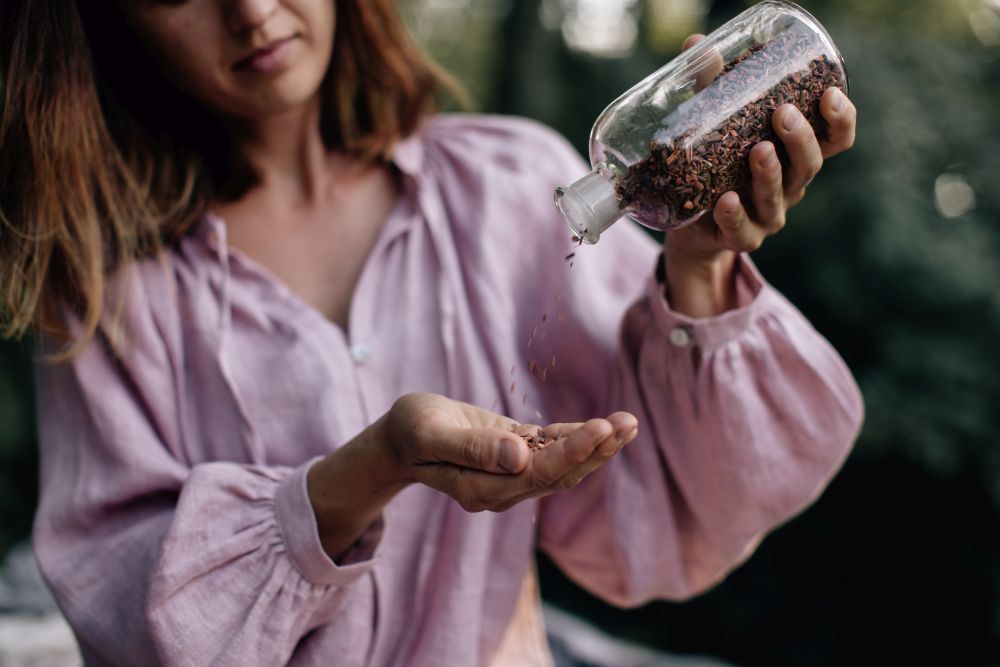
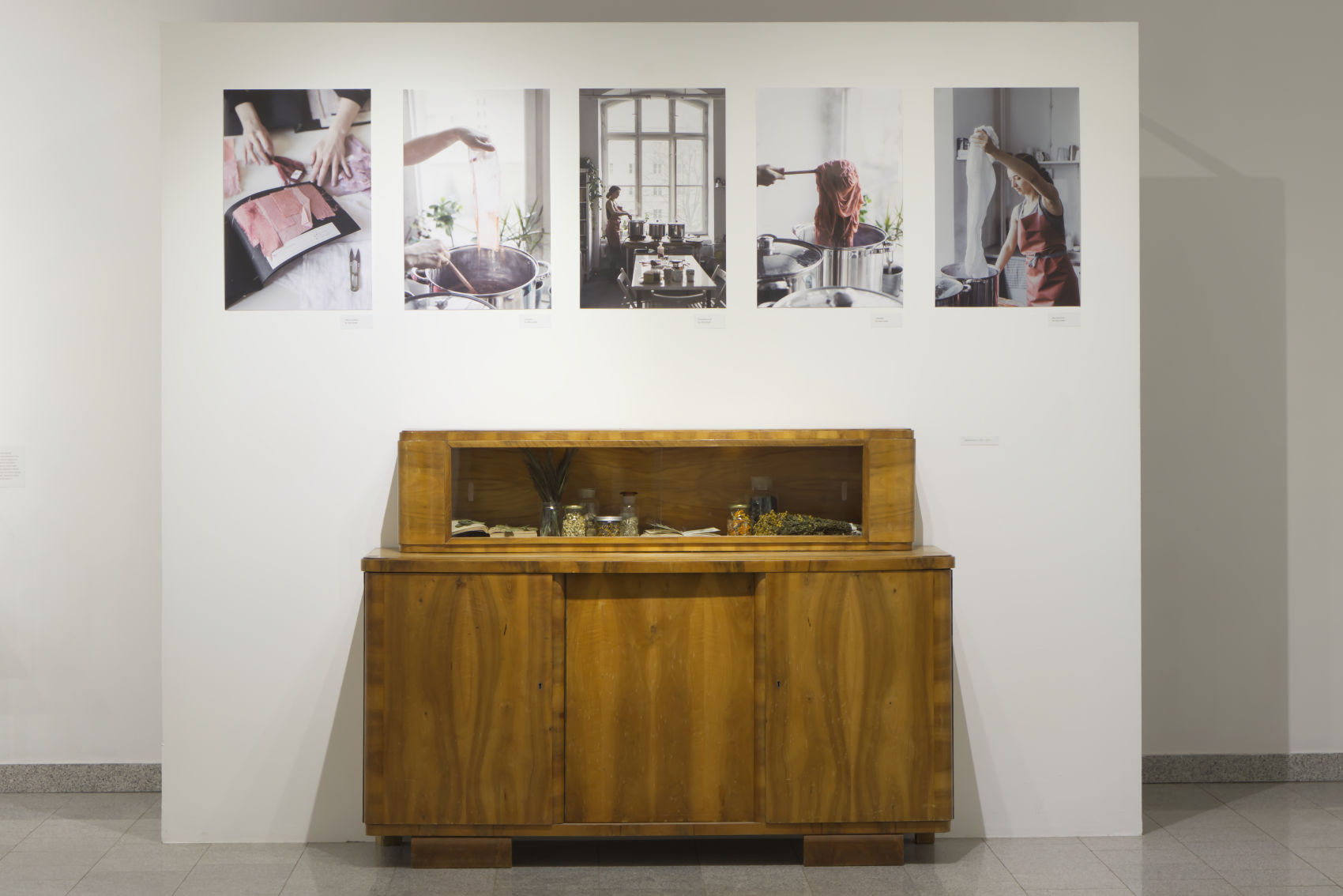
At the exhibition, we explain how you can discover and create colour yourself. It is a slow process by nature, requiring great concentration, and rich in sensory experiences. It begins with a trip to the meadow, the forest, and the gathering of plants. The next stage involves craftsmanship – tending to cauldrons filled with fragrant dye extracts, dyeing fibres in baths, or obtaining essential pigments and producing paints. Finally, the colours created are used in the further creation of works and compositions.
Aleksandra Bystry, Fragments of the text for the catalogue of the exhibition “Colour laboratory. Exhibition of works by the Dzikie Barwy studio”, Municipal Gallery bwa in Bydgoszcz, 2026
curator: Danuta Pałys
24.03.2026 – 24.05.2026
20 Gdańska St.